
Cancer Surgeon & Surgical Oncologist in Narsingi
Dr. Ajesh Raj Saksena has spent over 15 years in surgery and cancer care, and explains the diagnosis and every option before any operation is planned. Consultations take place at the Jubilee Hills clinic; surgery is carried out at Apollo Hospitals, Jubilee Hills.
- Laparoscopic, robotic, HIPEC and organ-preservation cancer surgery
- Head and neck, breast, thyroid, gastrointestinal and gynecological cancers
- Second opinions on an existing treatment plan are reviewed in full
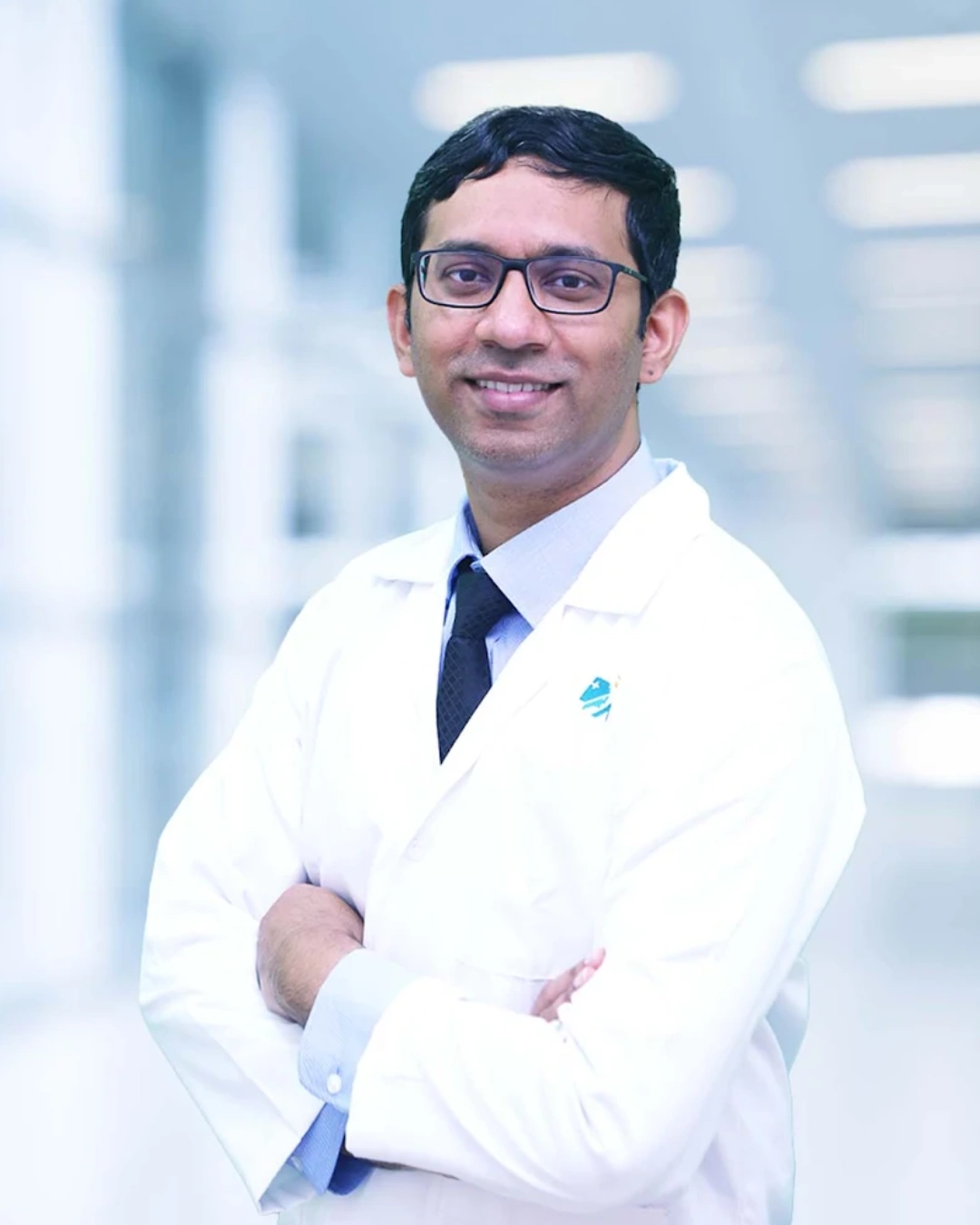
Dr. Ajesh Raj Saksena, surgical oncologist in Narsingi
Most people arrive at a cancer clinic having already been told a diagnosis, without being told what it means. The consultation here begins with the reports, the scans and the stage, and with the time needed to explain them in a language the family actually speaks.
Dr. Ajesh Raj Saksena has spent more than 15 years in surgery and cancer care. His practice covers cancers of the head and neck, thyroid, breast, food pipe, stomach, pancreas, colon and rectum, uterus and lung, along with peritoneal surface malignancies treated by HIPEC and PIPAC. Where the tumour and the patient allow it, he uses laparoscopic and robotic approaches and plans the operation to preserve the organ and its function.
Surgery is one part of cancer treatment, not the whole of it. Plans are made with medical oncology, radiation oncology, radiology and pathology colleagues, and a patient who wants a second opinion elsewhere is given their records to take.
Cancers treated at the clinic
Each site behaves differently and is staged differently, so the plan is built around the organ involved, the stage and the patient’s general health.
Breast Cancer
Breast-conserving surgery where the tumour allows, mastectomy with reconstruction options, and sentinel lymph node biopsy to limit unnecessary node clearance.
Thyroid Cancer
Thyroid surgery planned with care for the nerve supplying the voice and for the parathyroid glands that control calcium.
Head & Neck Cancer
Cancers of the oral cavity, tongue, throat, larynx and neck nodes, planned around swallowing, speech and appearance after surgery.
Esophageal Cancer
Surgery for cancer of the food pipe, usually sequenced with chemotherapy and radiation decided at the tumour board.
Stomach & Pancreatic Cancer
Gastrectomy and pancreatic resection, including Whipple’s procedure, planned from staging scans and a full team review.
Colorectal & Rectal Cancer
Colon and rectal cancer surgery, with sphincter preservation attempted wherever it is oncologically safe to do so.
Uterine & Gynecological Cancer
Surgical management of uterine, cervical and ovarian cancers, coordinated with gynecologic and medical oncology colleagues.
Lung Cancer Surgery
Resection for lung tumours found suitable for surgery, including minimally invasive and robotic thoracic approaches.
Peritoneal Surface Malignancy
Cytoreductive surgery with HIPEC or PIPAC for selected cancers that have spread across the lining of the abdomen.
Surgical techniques used, and when each one applies
No single technique suits every tumour. What follows describes what each approach involves; whether it is appropriate in a given case is decided only after the reports and the patient have been examined.
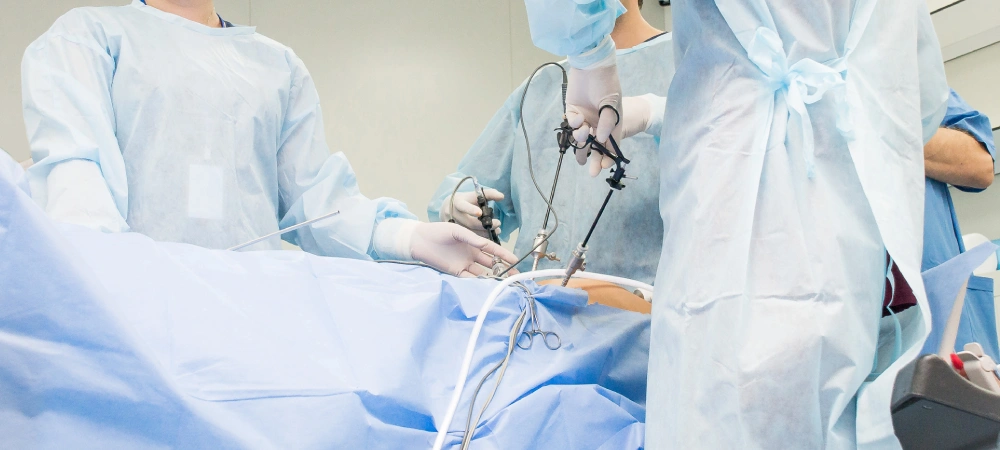
Laparoscopic Cancer Surgery
Keyhole surgery through several small incisions using a camera and long instruments. For suitable tumours it avoids a large abdominal opening.
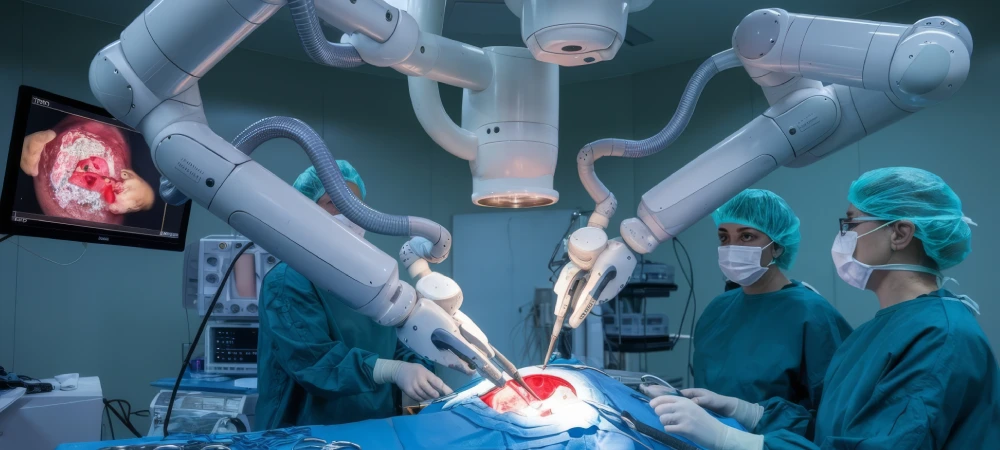
Robotic Cancer Surgery
The surgeon operates wristed instruments from a console with a magnified three-dimensional view, which helps in confined spaces such as the pelvis, chest and neck.

Sentinel Lymph Node Biopsy
Only the first draining lymph node is identified and examined. If it is clear, a full node clearance and its long-term swelling can often be avoided.
HIPEC & PIPAC
Heated chemotherapy circulated in the abdomen after cytoreductive surgery, or chemotherapy delivered as a pressurised aerosol, for selected peritoneal disease.
Organ-Preservation Surgery
Removing the cancer with clear margins while retaining as much of the organ and its function as the disease permits.
Fluorescence-Guided Surgery
A fluorescent dye and special camera help distinguish tissue planes, blood supply and lymphatic drainage during the operation.
How a cancer consultation here works
Nothing is decided in a single appointment. These are the usual stages between the first call and follow-up.
Appointment
Call, WhatsApp or email the clinic. You will be told what to bring and roughly how long to allow.
Consultation
Reports and scans are reviewed, the patient is examined, and the stage and options are explained to the family.
Plan and estimate
Where surgery is advised, the operation, the alternatives and a written cost estimate are discussed before anything is booked.
Surgery and follow-up
Surgery at Apollo Hospitals, then a follow-up schedule covering recovery, histopathology and any further treatment.
What treatment costs, stated plainly
Cancer treatment costs vary with the stage, the operation, the hospital room category and whether chemotherapy or radiation is also needed. No figure quoted before the reports are seen can be accurate.
What the clinic will do is give an itemised written estimate before admission, and tell you honestly which parts of it your policy or scheme is likely to cover.
- Consultation₹____
- Second opinion review₹____
- Surgery estimateOn assessment
- Health insuranceAccepted
- Aarogyasri / CGHS / ECHSAs per scheme
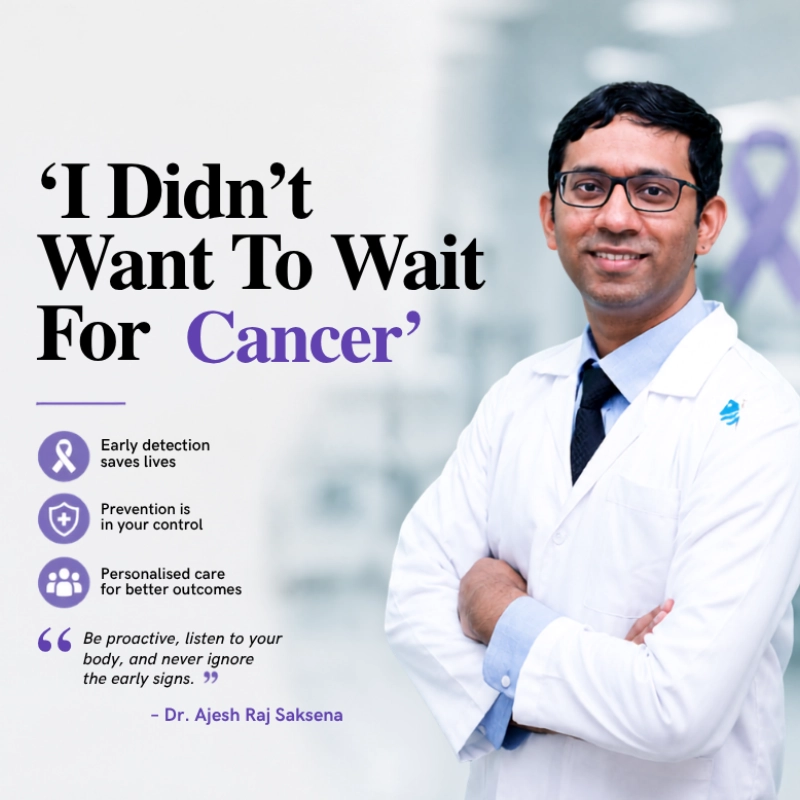
Public awareness writing on cancer
Columns written for the general reader on screening, myths and early detection. General information only; none of it is treatment advice for an individual.

Cancer treatment in Narsingi: common questions
What does a surgical oncologist do?
A surgical oncologist is a surgeon who has trained specifically in operating on cancer. The work covers diagnosing and staging the disease, removing the tumour and affected lymph nodes, and working alongside medical and radiation oncologists so that surgery fits into the wider treatment plan.
Which cancers does Dr. Ajesh Raj Saksena treat?
Head and neck cancers, thyroid cancer, breast cancer, esophageal cancer, stomach cancer, pancreatic cancer, colorectal and rectal cancer, uterine and gynecological cancers, lung cancer requiring surgery, and peritoneal surface malignancies treated with HIPEC or PIPAC.
What cancer surgery techniques are available at the clinic?
Laparoscopic (keyhole) cancer surgery, robotic cancer surgery, HIPEC and PIPAC for peritoneal disease, organ-preservation surgery, sentinel lymph node biopsy and fluorescence-guided surgery. Whether any of these suits a particular patient is decided only after examining the reports and the person.
What is minimally invasive cancer surgery?
The operation is carried out through several small incisions using a camera and fine instruments, either held by the surgeon (laparoscopic) or through a robotic console. It is not suitable for every tumour, and an open operation is sometimes the safer choice.
Can I get a second opinion on a cancer treatment plan?
Yes. Bring the biopsy report, imaging (CT, MRI, PET as applicable), and any record of treatment already given or advised. The existing plan is then reviewed and explained in plain language.
What should I bring to a first cancer consultation?
Any biopsy or histopathology report, scans on CD or film along with the printed reports, blood test results, a list of current medicines, and a note of other conditions such as diabetes or heart disease. A family member is welcome to sit in.
Where is the clinic located in Narsingi and what are the timings?
The clinic is at 8-2-293/82/J-III, 553/1, Road No. 92, Jubilee Hills, Hyderabad, Telangana 500096. Consultation hours are 10:00 AM to 5:00 PM, Monday to Saturday. Appointments can be made on +91 95050 04000 or by email to cancercareopd@gmail.com.
What does cancer treatment cost in Narsingi?
The total depends on the cancer type and stage, the operation performed, the hospital and room category, and whether chemotherapy or radiation is also needed. An itemised estimate is given in writing before admission, and most health insurance policies as well as Aarogyasri and CGHS style schemes cover cancer surgery subject to their own terms.
Does surgery always come first in cancer treatment?
No. For some cancers chemotherapy or radiation is given first to shrink the tumour, for others surgery is the first step, and in some situations surgery is not advised at all. The sequence is set by the tumour board after looking at the stage and the patient’s general condition.
Contact the clinic
Leave your details and the clinic will call back during consultation hours to fix a time. For anything urgent, please telephone directly rather than waiting for a reply.
- ✈8-2-293/82/J-III, 553/1, Road No. 92, Jubilee Hills, Hyderabad, Telangana 500096
- ☎+91 95050 04000
- ✉cancercareopd@gmail.com
- ◷Monday to Saturday, 10:00 AM – 5:00 PM
- ⚔Surgery at Apollo Hospitals, Jubilee Hills, Hyderabad
Patients travel to the clinic from Jubilee Hills, Banjara Hills, Madhapur, HITEC City, Gachibowli, Kondapur, Kukatpally and Secunderabad, and from across Telangana and Andhra Pradesh.
Request a call back
The clinic replies during consultation hours. Please do not share reports or medical details in this form.