Do Bras, Deodorants, Stress or Sugar Cause Breast Cancer? Separating Myths From Evidence
Do Bras, Deodorants, Stress or Sugar Cause Breast Cancer? Separating Myths From Evidence
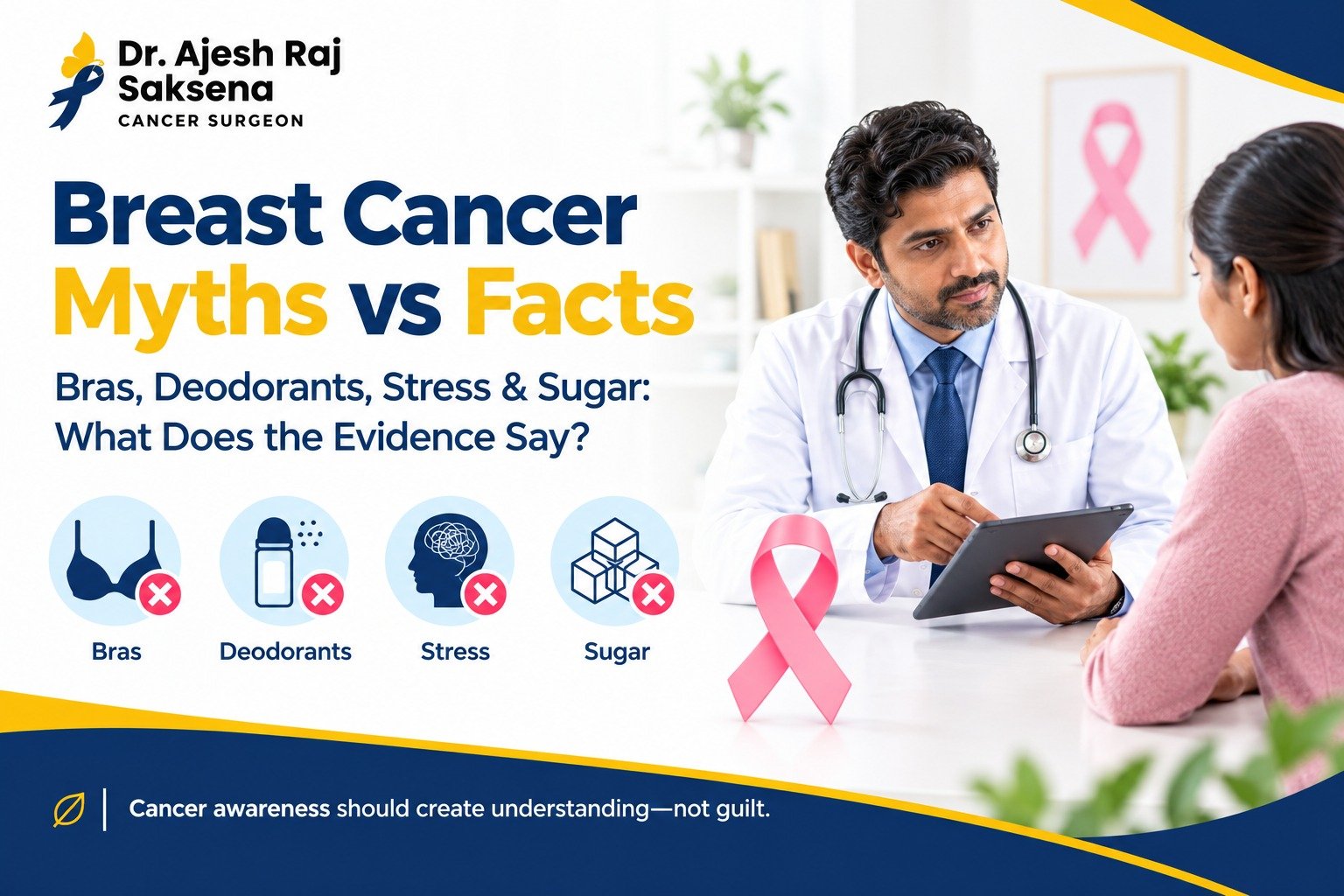
A breast cancer diagnosis is often followed by a question that patients may hesitate to ask aloud:
“Did I do something that caused this?”
Was it stress?
Was it a particular food?
Was it deodorant?
Could a tight or underwired bra have contributed?
These questions are understandable. When someone is diagnosed with cancer, the mind naturally looks for an explanation.
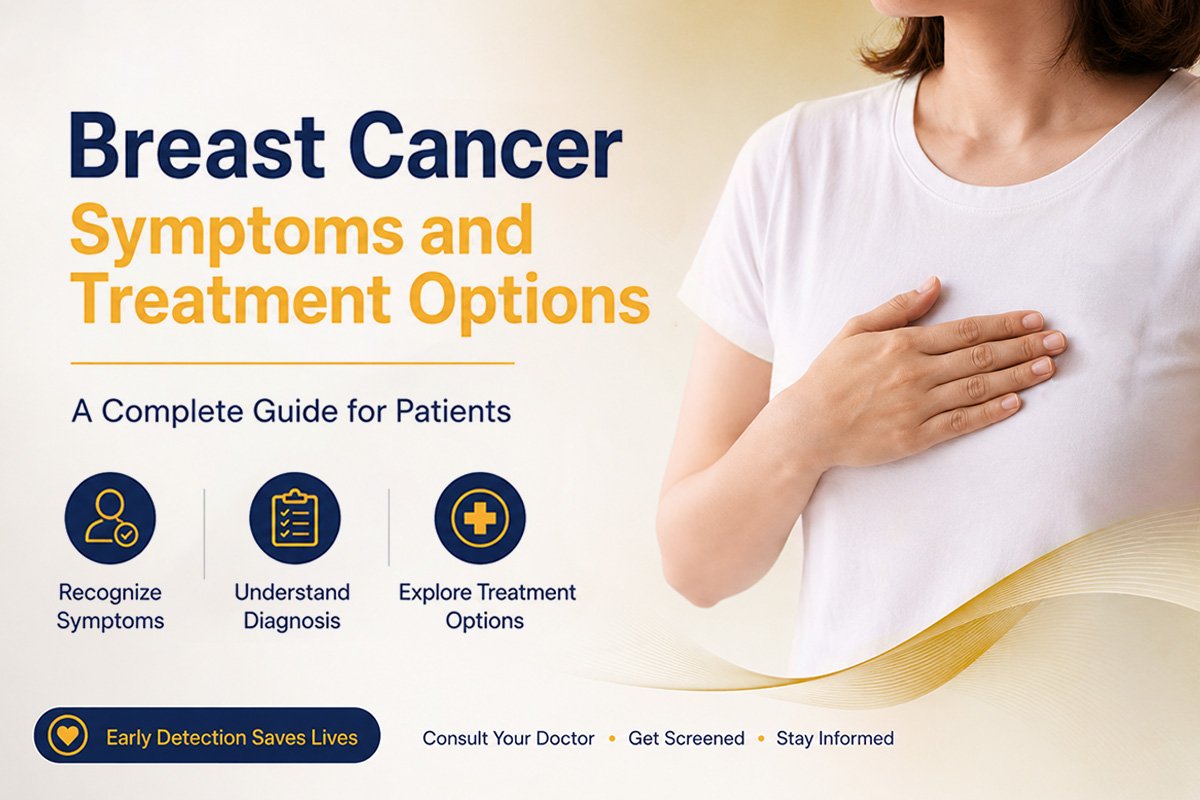
Understanding common breast cancer myths can help separate facts from misinformation.
The difficulty is that simple explanations are attractive even when the biology is not simple.
Breast cancer does not usually arise because of one isolated habit or one decision. Risk develops through a combination of factors that can include age, inherited susceptibility, hormonal and reproductive influences, body weight, alcohol exposure and biological changes that accumulate within cells over time.
Some risks can be modified. Some cannot.
That distinction is important, because cancer prevention should help people make better decisions—not leave them feeling guilty about ordinary aspects of everyday life.
Do underwired or tight bras cause breast cancer?
There is no convincing evidence that wearing an underwired bra, a tight-fitting bra or wearing a bra for long hours causes breast cancer.
Many women ask, do bras cause breast cancer? Current evidence does not support this claim.
One frequently repeated explanation is that bras somehow obstruct lymphatic drainage and allow “toxins” to accumulate in the breast. This sounds plausible when presented on social media, but it does not reflect how breast cancer develops.
Breast cancer risk is much more meaningfully influenced by established factors such as increasing age, certain inherited genetic mutations, reproductive and hormonal factors, alcohol consumption and excess body weight, particularly after menopause.
Choose a bra because it is comfortable and fits well—not because of fear that the wrong bra may cause cancer. Your source draft makes this distinction explicitly.
What about deodorants and antiperspirants?
Routine use of deodorants or antiperspirants has not been shown to cause breast cancer.
A common question is, does deodorant cause breast cancer? Routine use has not been shown to cause breast cancer.
Concern has occasionally focused on ingredients such as aluminium compounds in antiperspirants or parabens in some cosmetic products. Laboratory questions about whether a chemical can interact with cells, however, are not the same as evidence showing that ordinary use causes cancer in people.
Based on the evidence currently available, women do not need to stop using deodorants or antiperspirants as a breast cancer prevention measure.
Can stress cause breast cancer?
Stress affects health. It can disturb sleep, appetite, exercise, relationships and emotional wellbeing.
Long-standing stress may also indirectly encourage unhealthy behaviours such as smoking, excess alcohol intake, overeating or physical inactivity.
That is different from saying that stress itself directly causes breast cancer.
There is no strong evidence that psychological stress alone is a direct cause of breast cancer.
Many people ask, can stress cause cancer? Psychological stress alone has not been established as a direct cause of breast cancer.
This distinction matters clinically. Telling someone who has developed cancer that she was “too stressed” may add guilt to an already difficult diagnosis without providing useful medical information.
Does sugar feed cancer?
This is another statement that begins with a biological fact and then becomes misleading.
Cancer cells use glucose for energy.
So do healthy cells.
The body cannot selectively starve a tumour simply by removing sugar from the diet.
Many people ask, does sugar cause cancer? Eating sugar does not mean someone has caused their cancer, and eliminating sugar is not a cancer treatment.
That does not mean diet is irrelevant. Excess calorie intake, obesity, insulin resistance and poor metabolic health are associated with an increased risk of several cancers. Reducing excessive added sugar may therefore be useful as part of an overall healthy diet and weight-management strategy.
But eating sweets occasionally does not mean that someone “caused” her cancer, and completely eliminating sugar is not a cancer treatment.
If no single food causes cancer, does diet still matter?
Yes.
The useful question is not whether one specific food causes or prevents cancer. It is what a person’s overall dietary pattern looks like over many years.
A sensible diet generally includes vegetables, fruits, whole grains, pulses, legumes, adequate fibre and appropriate sources of protein, while limiting heavily processed foods.
Processed meat consumption has been associated with colorectal cancer risk, while obesity is associated with several cancers, including postmenopausal breast, colorectal and endometrial cancers.
The opposite mistake is to promote individual foods such as turmeric, berries, broccoli or green tea as cancer cures.
There is no single “anticancer food”.
The overall pattern matters much more.
Which cancer risk factors deserve more attention?
Some risks have far stronger evidence behind them than many of the myths that circulate online.
Understanding breast cancer risk factors helps people focus on evidence-based prevention and healthier lifestyle choices.
Tobacco remains one of the most important preventable causes of cancer.
Alcohol is a recognised carcinogen and is associated with several cancers, including breast cancer.
Excess body weight and physical inactivity contribute to the risk of several malignancies.
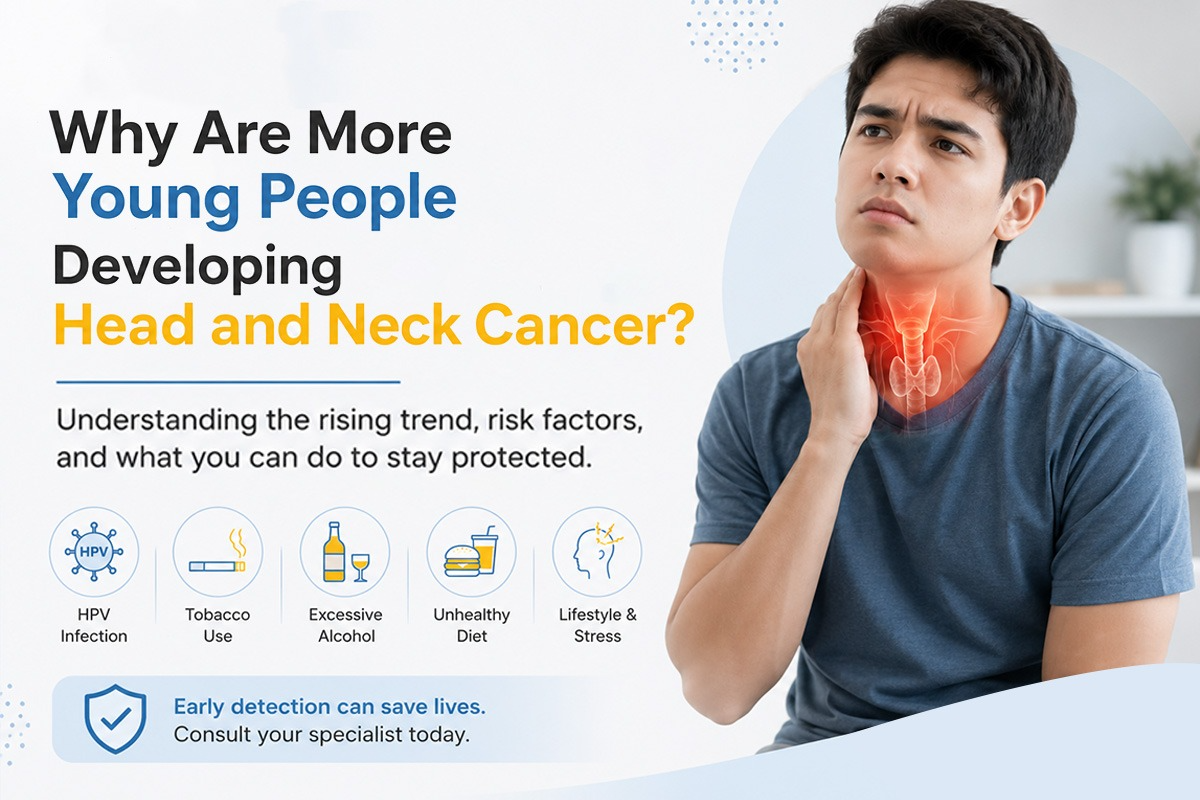
Certain infections also play a major role. HPV is associated with cervical and several other cancers; hepatitis B and C are associated with liver cancer; and Helicobacter pylori is linked to gastric cancer.
This is why vaccination, tobacco avoidance, sensible alcohol consumption, regular exercise and weight management deserve more attention than unsupported theories about bras or deodorants.
Can a healthy lifestyle completely prevent cancer?
No.
A healthy lifestyle can reduce the probability of developing several cancers, but it cannot bring that probability down to zero.
Cancer develops because genetic abnormalities accumulate within cells. Some may be related to inherited susceptibility, ageing, hormones, infections, environmental exposure or lifestyle. Others may arise during normal cell division without an obvious external cause.
That is why people who exercise regularly, eat sensibly, never smoke and appear to have few conventional risk factors can still develop cancer.
Lifestyle affects risk. It does not guarantee an outcome.
Can breast cancer occur without a family history?
Absolutely.
A family history of breast or ovarian cancer can be important, particularly when inherited mutations such as BRCA1 or BRCA2 are involved.
But hereditary breast cancers account for only a proportion of all cases.
Many women who develop breast cancer have no striking family history at all.
So a woman should not assume she is protected simply because her mother, sisters or other relatives have never had breast cancer. Breast awareness and age- or risk-appropriate screening remain important.
Can an injury to the breast cause cancer?
A blow or injury to the breast has not been shown to cause breast cancer.
Sometimes a woman notices a lump after an injury simply because she starts paying closer attention to that area.
Trauma can also result in bruising or fat necrosis, which may itself feel like a lump.
The important point is not to dismiss a persistent lump simply because an injury happened earlier. Any persistent or suspicious breast change should be assessed appropriately.
Can younger women develop breast cancer?
Yes.
Breast cancer becomes more common as age increases, but younger women can also develop it.
A persistent lump, nipple discharge, nipple retraction, skin change or any unexplained alteration in the breast deserves assessment regardless of age.
Being “too young for breast cancer” should never become a reason to ignore a persistent symptom.
Which symptoms should not be ignored?
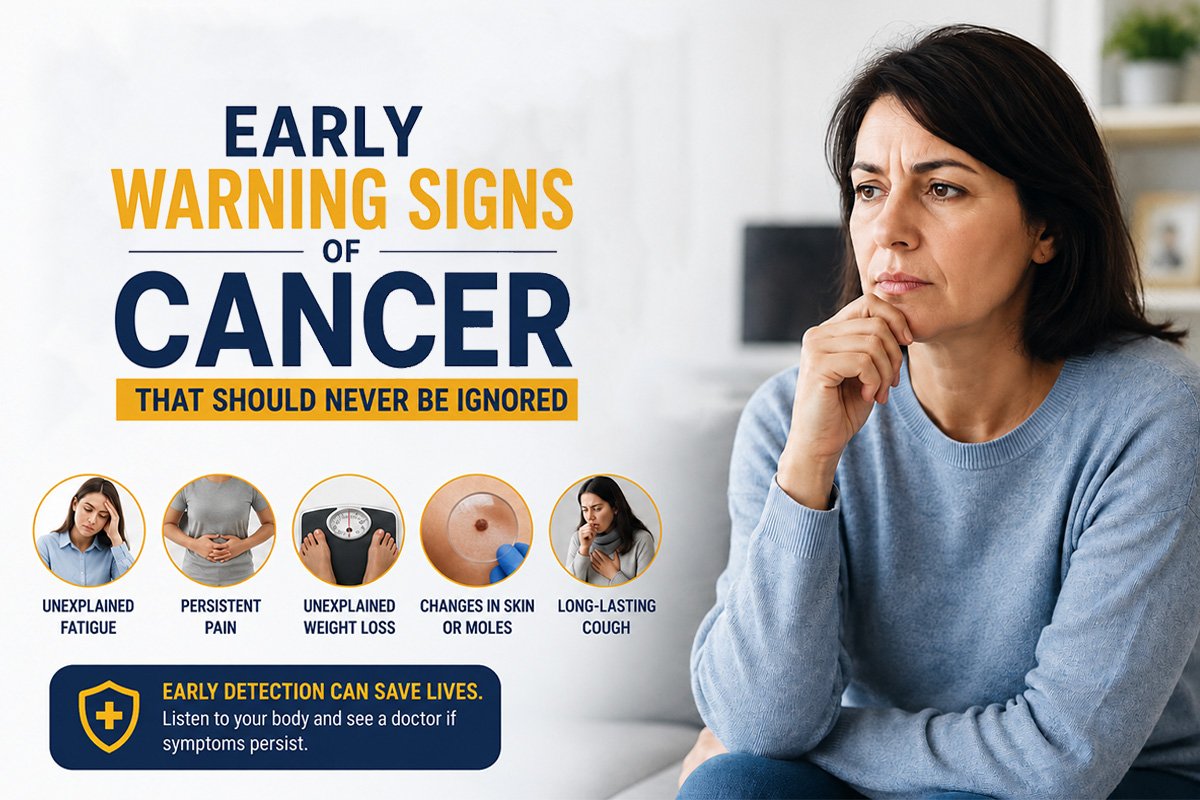
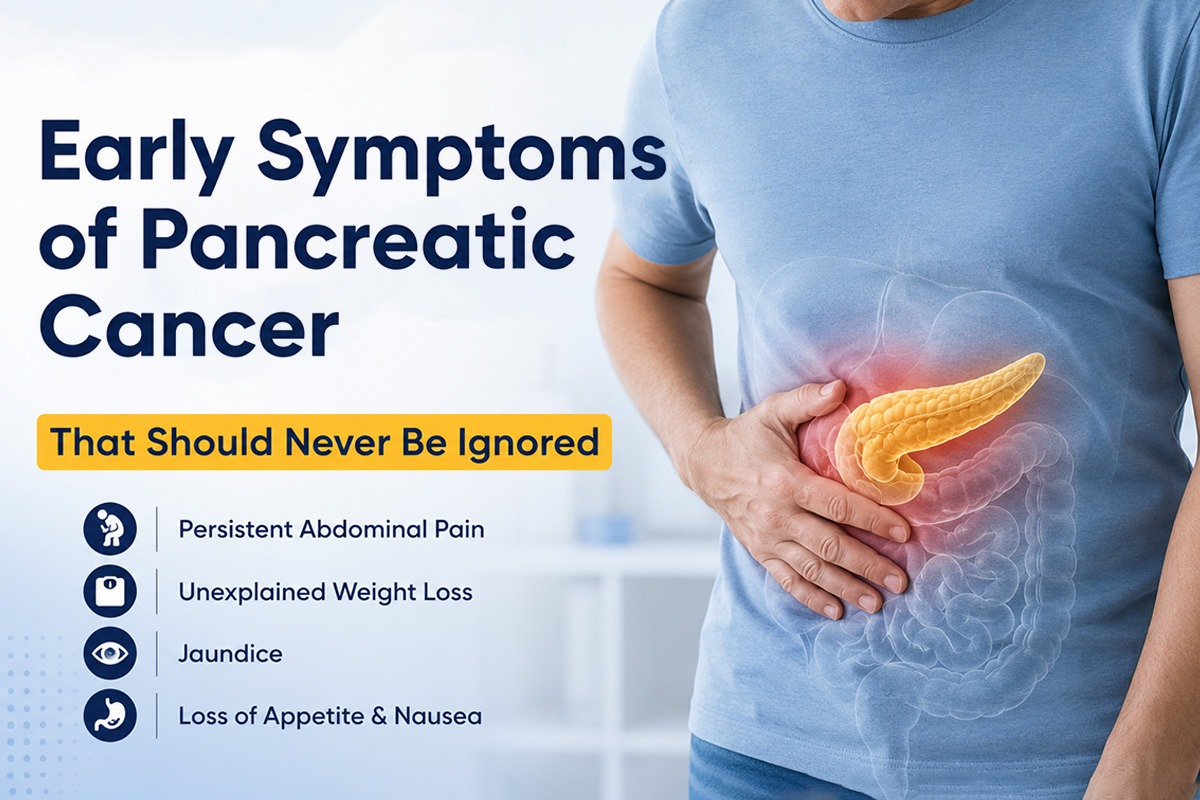
Most symptoms ultimately turn out not to be cancer. But persistent or unexplained changes deserve evaluation.
Knowing the breast cancer warning signs can help people recognise changes that need medical assessment.
These can include:
- a new breast lump or a change in the breast
- nipple retraction or unusual nipple discharge
- unexplained vaginal bleeding or bleeding after menopause
- persistent abdominal bloating or increasing abdominal size
- unexplained weight loss
- persistent changes in bowel habits
- unexplained bleeding
- any symptom that persists, progresses or feels unusual for you
The reason for seeking assessment is not to assume the worst. It is because many cancers are much more treatable when diagnosed earlier.
People looking for a cancer hospital in Hyderabad should seek qualified medical care for appropriate evaluation, diagnosis and treatment.
The question after diagnosis should not be: “What did I do wrong?”
Perhaps the most damaging cancer myth is the idea that every diagnosis must be traceable to something the patient did.
Some cancers are associated with identifiable risk factors.
Many are not.
Prevention advice is important, but prevention should never be converted into blame.
After a cancer diagnosis, the more useful questions are:
What exactly is the diagnosis?
What is the stage?
What treatment is appropriate?
Is genetic testing relevant?
Do other family members require screening?
What can I do now to improve my health?
Those questions move the conversation forward.
What actually helps reduce cancer risk?
Rather than allowing unsupported fears to dominate everyday life, concentrate on interventions with better evidence behind them
For information about cancer treatment in Hyderabad, patients can consult a qualified oncology specialist to understand suitable evaluation and treatment options.
Avoid tobacco and second-hand smoke. Keep alcohol intake low or avoid it. Maintain a healthy body weight. Stay physically active. Eat a balanced, fibre-rich diet. Take recommended HPV and hepatitis B vaccinations. Participate in age- and risk-appropriate screening. Know your family cancer history and seek genetic counselling when appropriate.
And perhaps most importantly: do not repeatedly ignore a persistent or unexplained symptom.
The bottom line
Breast cancer is biologically complex.
An underwired bra, ordinary deodorant use, an occasional dessert or a stressful phase of life should not become reasons for a woman to blame herself after a cancer diagnosis.
Some cancer risks can be reduced.
Others cannot.
Good cancer awareness means knowing the difference.
It means putting our attention on risk factors we can meaningfully influence, participating in appropriate screening, recognising symptoms early and seeking evaluation when something does not seem right.
Cancer awareness should create understanding—not guilt.
Patients seeking breast cancer treatment in Hyderabad can consult a qualified surgical oncologist to understand the treatment options available for their diagnosis.
Dr Ajesh Raj Saksena
Senior Consultant Surgical Oncologist
Apollo Cancer Centres, Hyderabad
This article is intended for general health education and does not replace an individual medical consultation.